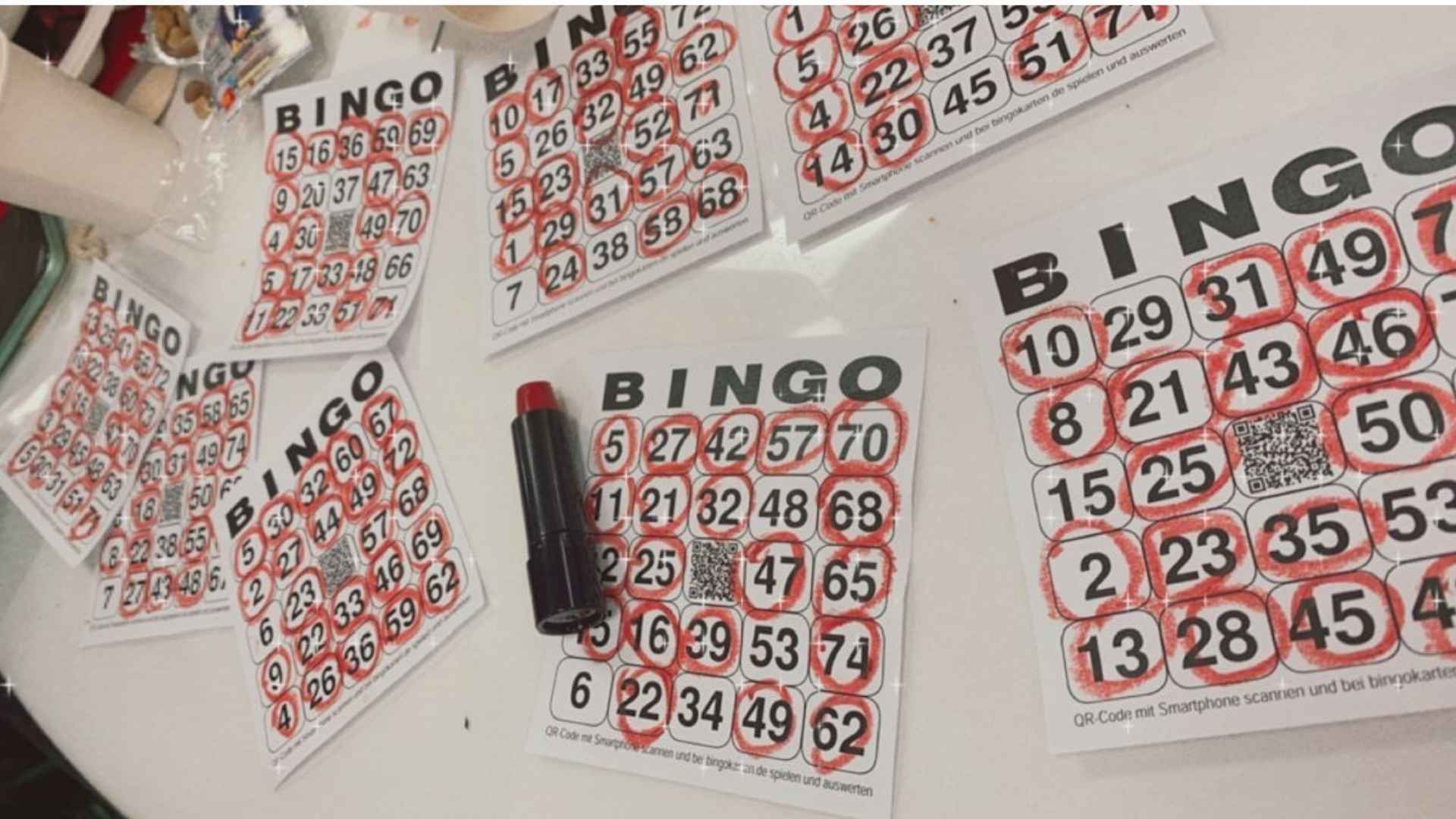
Mastering mathematical probability can often feel overwhelming when students are restricted to dry textbook formulas and static lecture materials. However, introducing dynamic and active learning environments transforms these abstract theories into practical, highly engaging lessons. By exploring randomized models firsthand, individuals can naturally build a much stronger intuition for risk and structural analytics.
The Shift to Dynamic Classrooms
Traditional education methods frequently cause younger learners to view statistical formulas as disconnected from their real life. Incorporating physical experiments and digital tools allows students to observe the immediate relationship between numbers and outcomes. This transition toward active engagement ensures that data distributions become intuitive rather than intimidating.
Furthermore, gamified structures introduce helpful targets that naturally motivate students to improve their analytical capabilities over time. When exploring these interactive math setups, visiting an established digital platform like Mansion Sports can show how tracking data helps analysts build evidence-based logic systems under structural uncertainty. Using these realistic models transforms simple play into a beneficial exercise in calculated strategy formulation.
Understanding Independent Trends
One of the most essential milestones for any statistical beginner is learning to distinguish between independent and dependent occurrences. Many individuals naturally fall into cognitive illusions, believing that previous outcomes can directly influence the next randomized drop. Dynamic simulations help clarify that separate events hold entirely independent ratios regardless of historical sequences.
By tracking real-time events over prolonged sessions, students witness the laws of large numbers working actively on their screens. This structural approach helps learners step past baseline emotional reactions and rely instead on deep analytical models. Recognizing these statistical patterns builds deep logic skills that serve individuals well throughout their professional lives.
Practical Models for Daily Evaluation
Building reliable forecasting capabilities does not require complex software setups or advanced structural engineering degrees. Simple classroom tools such as multi-coin challenges or randomized dice variables offer an exceptional foundation for visualizing numerical chance. These low-stress environments encourage students to test hypotheses freely and learn from sudden behavioral variations.
As consistency is introduced into the training routine, learners naturally become more comfortable evaluating potential outcomes under real-world conditions. This structured habit shifts the user perspective away from basic luck toward data-driven risk management. Ultimately, continuous hands-on practice makes the extensive field of mathematical probability both deeply accessible and remarkably rewarding for curious minds worldwide.