Left 4 Dead 2 remains a masterpiece of cooperative shooter design, drawing thousands of survivors into its chaotic zombie hordes every single day. As modern gaming ecosystems increasingly favor crossplay, nostalgic groups often wonder if they can team up across different systems. Understanding the precise architectural boundaries of this classic title can save your squad a lot of technical frustration before attempting a weekend session.
The Current State of Crossplay Support
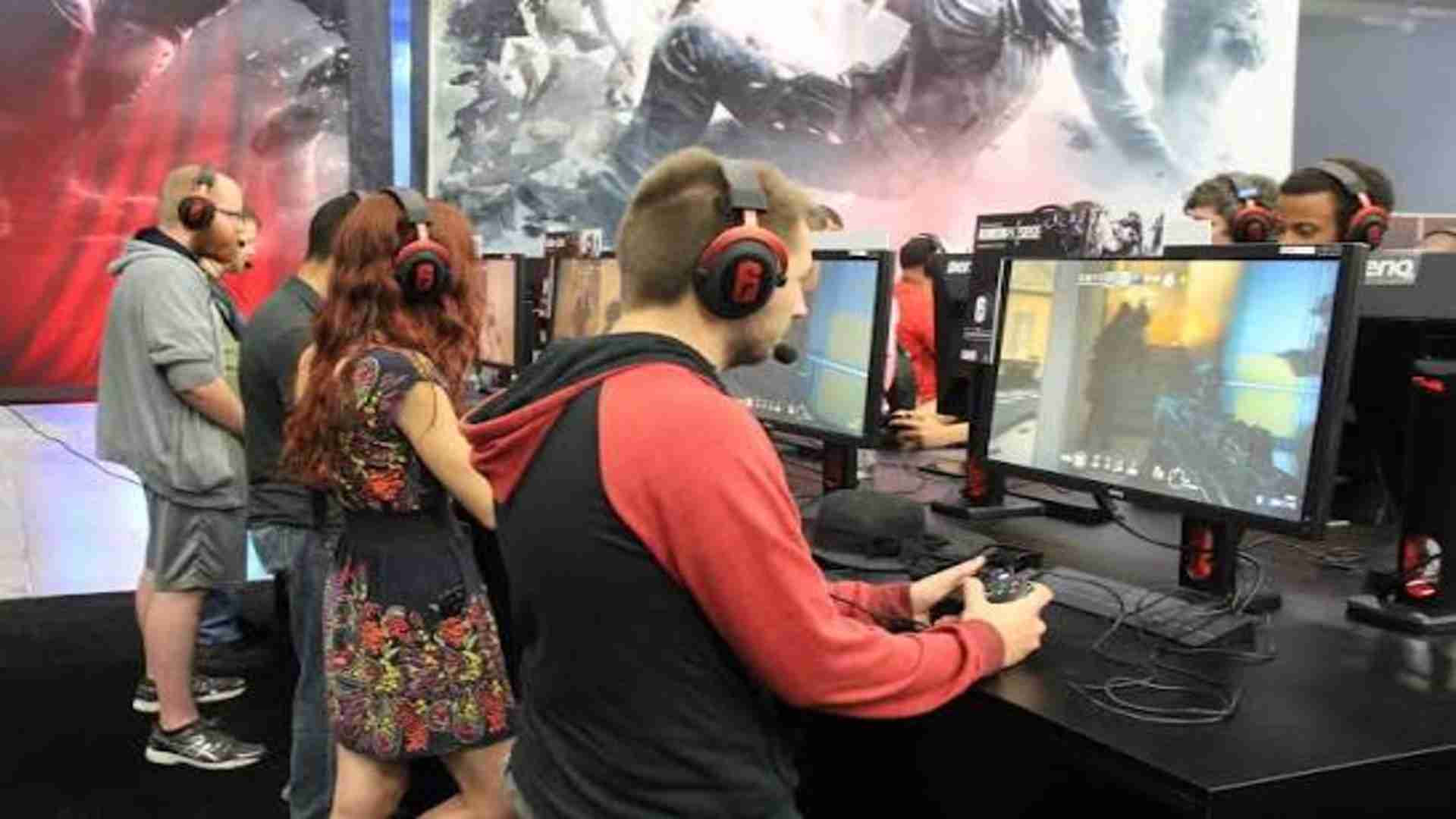
Valve's legendary cooperative shooter does not support native cross-platform play between completely different hardware families. This means players fighting for survival on a personal computer cannot connect with survivors utilizing an Xbox console. The structural differences between the ecosystem networks prevent cross-generation matchmaking from uniting these separate player bases.
While this restriction may seem outdated compared to modern releases, the infrastructure reflects the era in which the game was originally deployed. Modding support and distinct control schemes further divide the populations, making a unified server environment highly impractical. Consequently, you will need to ensure everyone in your party is utilizing the same platform ecosystem to play together.
Crossplay Within the PC Ecosystem
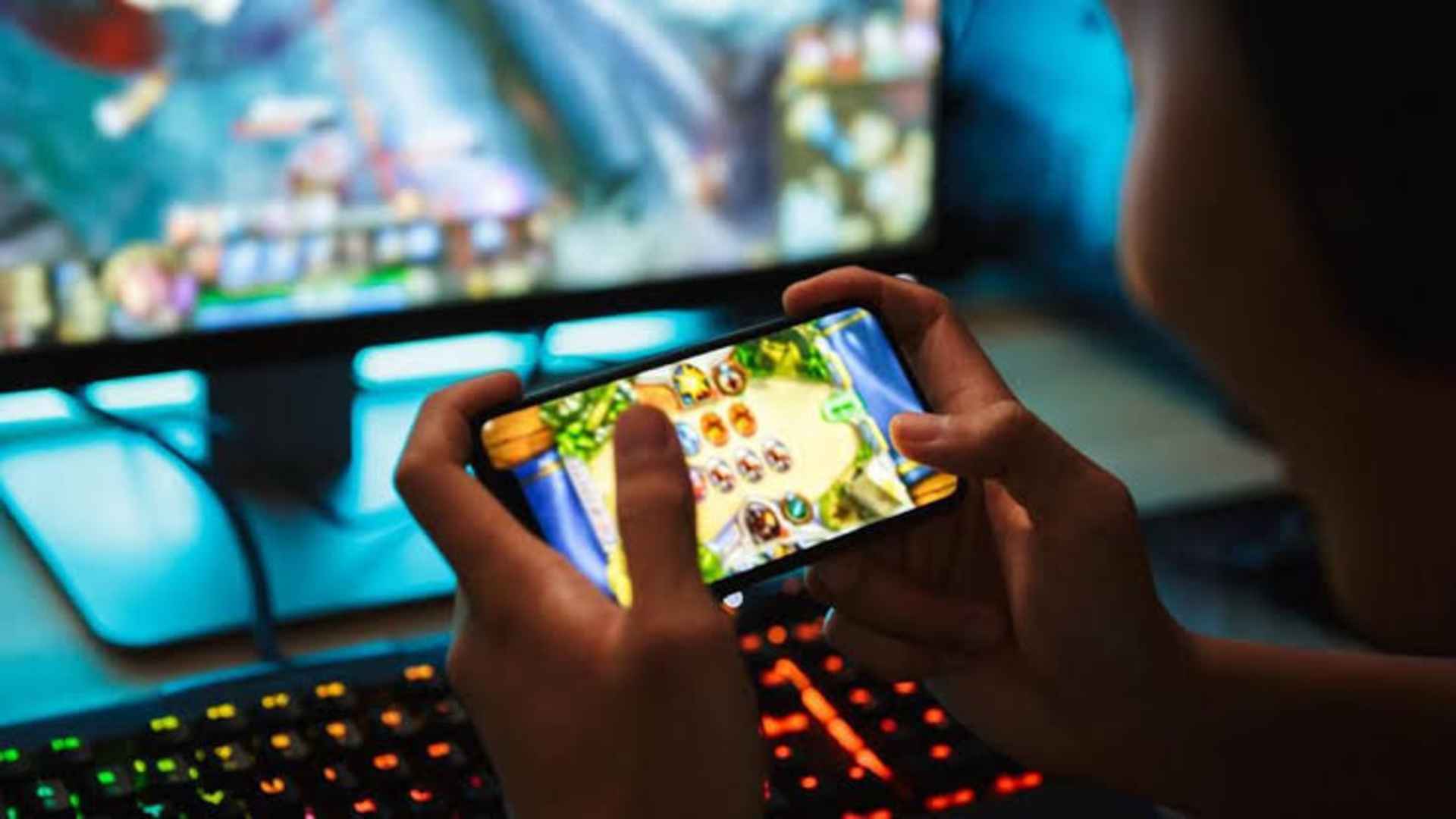
Fortunately, the digital landscape offers excellent connectivity for computer enthusiasts who use different storefronts or operating systems. Gamers playing the title through Steam can seamlessly match with peers running the game on Windows, Linux, or macOS systems. This internal compatibility ensures that the computer community remains highly populated and unified across hardware brands.
This seamless connectivity is made possible because all computer versions share the same central architecture and update schedule. Players can easily browse custom community servers, download specialized workshop modifications, and launch cooperative campaigns without experiencing compatibility errors. For the ultimate cooperative experience, a personal computer remains the most flexible environment for modern survivors.
Console Backwards Compatibility Explained
Console enthusiasts also enjoy a unique form of connectivity thanks to modern hardware preservation initiatives. Gamers playing the classic title on an Xbox 360 can successfully connect with players utilizing newer Xbox One or Xbox Series X structures. This generation-spanning capability acts as a form of intra-family crossplay, keeping the console community alive without separating the player base.
This system operates smoothly because the newer consoles run the software via integrated emulation layers that communicate with the original legacy servers. However, it is important to note that the digital marketplace listings have changed over the years, meaning physical media or previous ownership is often required to access the game on modern consoles. If you can secure a copy, your legacy squad can still conquer the campaigns together from different console generations.
Alternative Ways to Connect with Friends
If your friends are split across different hardware ecosystems, alternative setups are required to coordinate your zombie-slaying sessions. Many modern groups choose to transition toward dedicated computer setups due to the incredibly low system requirements of the Source engine. Most standard laptops can easily handle the demands of the game, making a full platform migration highly affordable for friends.
Additionally, keeping track of community developments can reveal unique fan-made server projects that attempt to bridge networking gaps. However, relying on official legacy servers within your specific hardware family remains the safest and most stable approach for uninterrupted gameplay. Planning your hardware alignment beforehand ensures that your team spends more time shooting infected and less time troubleshooting connection screens.