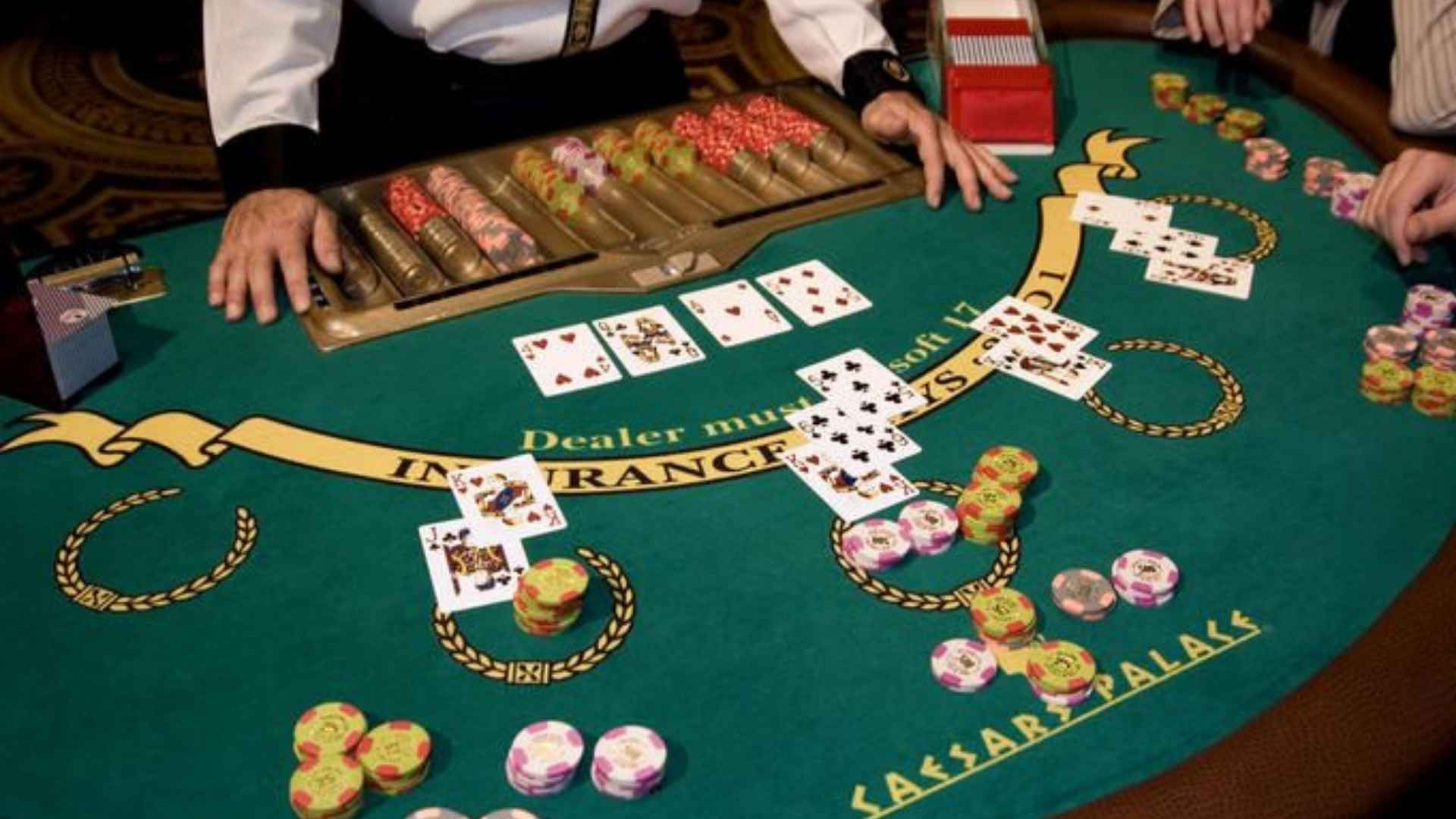
Blackjack stands out among modern casino card attractions because it rewards active knowledge and behavioral discipline over blind guesswork. While random distribution dictates the initial deal, your grasp of core mechanics directly influences your long-term success at the table. Transitioning from a casual player to a strategic enthusiast requires converting mathematical frameworks into consistent in-game decisions.
The Core Geometry of Basic Strategy
The single most important asset for any player is basic strategy, which outlines the mathematically optimal move for every possible hand combination. This comprehensive matrix dictates exactly when you should hit, stand, double down, or split based on your total and the dealer's visible upcard. Memorizing these precise mathematical responses eliminates expensive guesswork and protects your bankroll from impulsive, emotional mistakes during critical moments.
For instance, a foundational rule is to always stand when holding a hard total of 17 or higher because the risk of bursting is mathematically too restrictive. Conversely, players should consistently hit on low totals under 11 to actively build a stronger position against the house. Finding reliable platforms via a secure M88.com login allows enthusiasts to practice these fundamental decision-making guidelines in a realistic online environment.
The Tactical Logic of Splitting and Doubling
Maximizing your potential returns relies heavily on identifying the perfect structural opportunities to double your initial wager or split pairs. A universal standard among successful players is to always split a pair of Aces or a pair of 8s, regardless of what the dealer's upcard shows. Splitting Aces sets up two potentially dominant positions, while splitting 8s breaks up a notoriously weak starting total of 16.
Doubling down is equally powerful when used defensively against a weak dealer card, such as a 4, 5, or 6. This move is particularly profitable when your initial two cards total a hard 10 or 11, giving you a strong statistical probability of hitting a high value face card. However, players should avoid splitting pairs of 5s or 10s, as keeping them together maintains an already highly advantageous position.
Bankroll Preservation and Hard Self-Discipline
Even the most flawless execution of card strategy will ultimately fail without a strict, structured approach to managing your available funds. Savvy players establish a clear budget before joining any session and commit to never chasing losses during an unexpected downswing. A popular rule of thumb is to limit individual hand wagers to roughly one to five percent of your total active bankroll.
Maintaining absolute emotional control ensures that you stick to proven mathematical percentages rather than relying on false superstitions or gut feelings. Knowing exactly when to step away from the digital table is just as crucial as knowing how to play the cards in your hand. By combining tactical knowledge with disciplined budgeting, you ensure a highly sustainable and entertaining experience.