Tabletop gaming has experienced a massive surge in popularity as players seek engaging and intellectually stimulating alternatives to digital screens. While many games rely purely on luck, a specific subset of table games encourages participants to engage in continuous self-reflection and tactical refinement. These games offer a dynamic arena where players must constantly analyze their decisions, learn from their mistakes, and adapt to evolving challenges.
The Analytical Depth of Chess
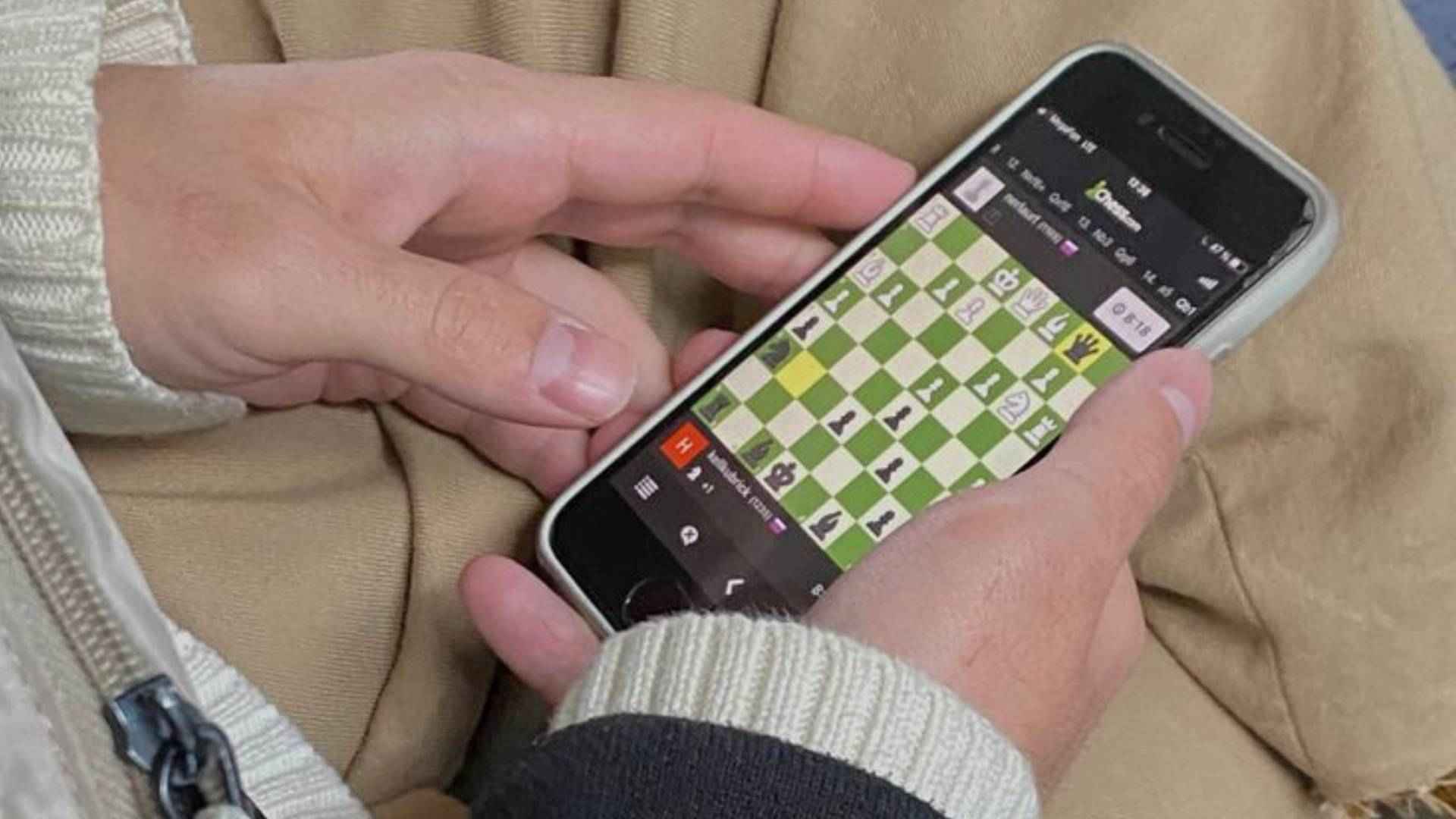
Chess stands as the ultimate benchmark for strategic planning and cognitive development, demanding absolute foresight from both players. Because the game features no hidden information or elements of luck, every outcome is the direct result of personal decision-making. This transparent environment forces players to evaluate their performance objectively after every match.
To progress in chess, players must study classic opening theories, recognize complex mid-game patterns, and master precise endgame techniques. This dedication to constant learning fosters a mindset focused on self-correction and progressive mastery. Over time, the analytical habits built at the board naturally translate into sharper problem-solving abilities in daily life.
Tactical Adaptation in Modern Board Games
Modern board games have evolved far beyond simple roll-and-move mechanics, introducing complex systems that reward critical thinking and flexibility. Many of these titles require players to manage limited resources, negotiate with opponents, and pivot their strategies based on unpredictable variables. This fluid environment ensures that no single strategy will guarantee victory across different sessions.
Engaging with these sophisticated tabletop experiences helps individuals develop a robust strategic mindset by encouraging them to ask how they can optimize their performance. For those interested in exploring platforms that offer a wide array of competitive options, visiting Mansion Sports can provide valuable insights into modern gaming trends. Embracing these challenges allows players to test their boundaries and enjoy the satisfying process of gradual skill acquisition.
Psychological Mastery and Probability in Card Games
Classic card games like poker and blackjack offer a unique environment where mathematical probability meets human psychology. Success in these games is not merely about receiving favorable cards, but rather about making mathematically sound decisions under pressure. Players must master the art of calculating risk-to-reward ratios while remaining calm and composed during intense rounds.
The continuous improvement in card games comes from refining one's emotional discipline and keeping a detailed record of decision-making processes. By analyzing hand histories and studying the behavioral cues of opponents, players can systematically minimize critical mistakes. This systematic approach transforms casual card play into an ongoing exercise in personal and intellectual growth.